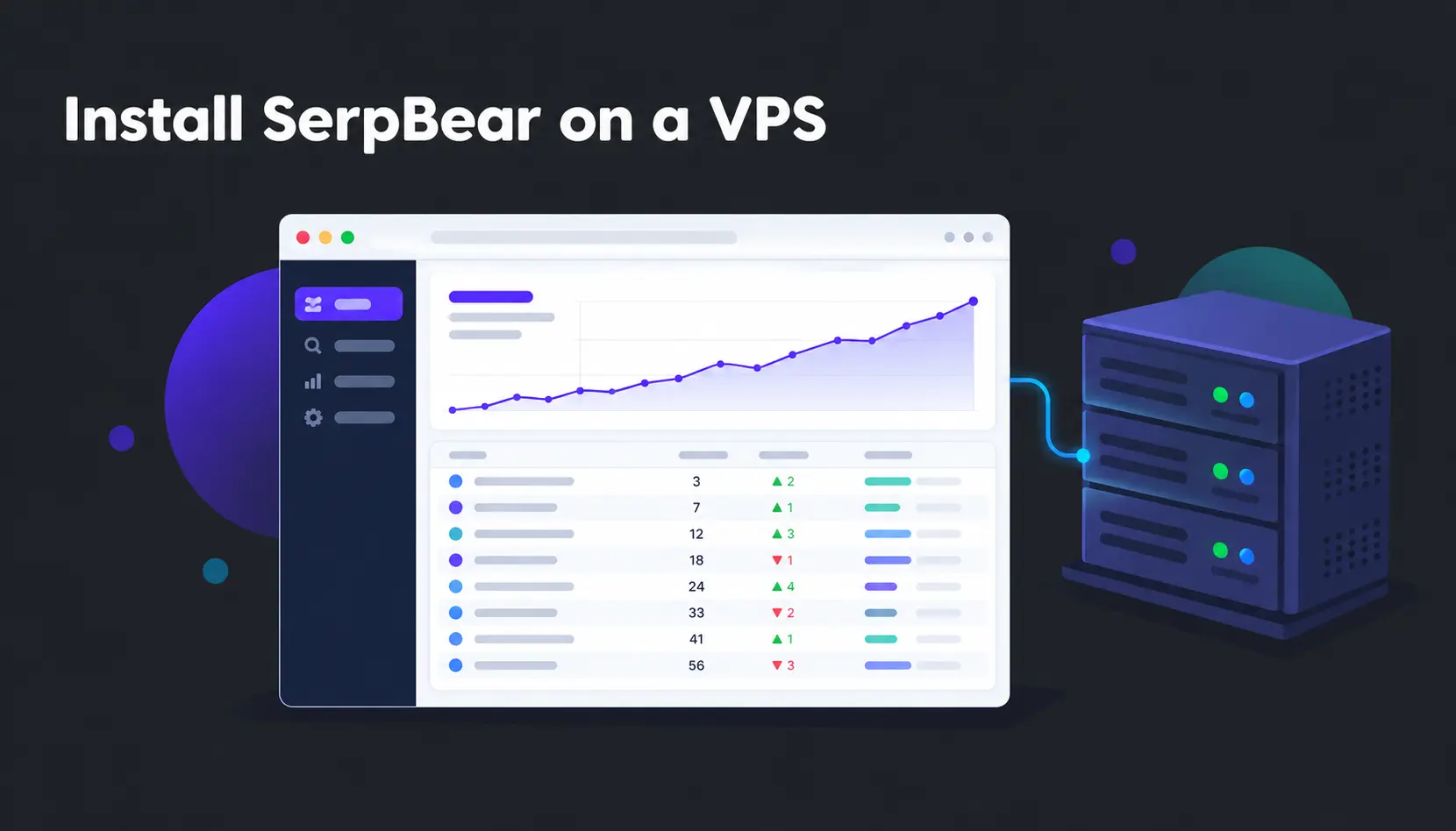
A step-by-step guide to running the SerpBear rank tracker on your own Linux VPS: Docker Compose, Nginx with SSL, scraper and Search Console setup, backups and updates.
Learn More
A step-by-step guide to running the SerpBear rank tracker on your own Linux VPS: Docker Compose, Nginx with SSL, scraper and Search Console setup, backups and updates.
Learn More
Which VPS do you need to run SEO tools, automation and AI bots? 11 open-source tools checked on GitHub in October 2026, what each one needs, and the KwikServer plan that fits.
Learn More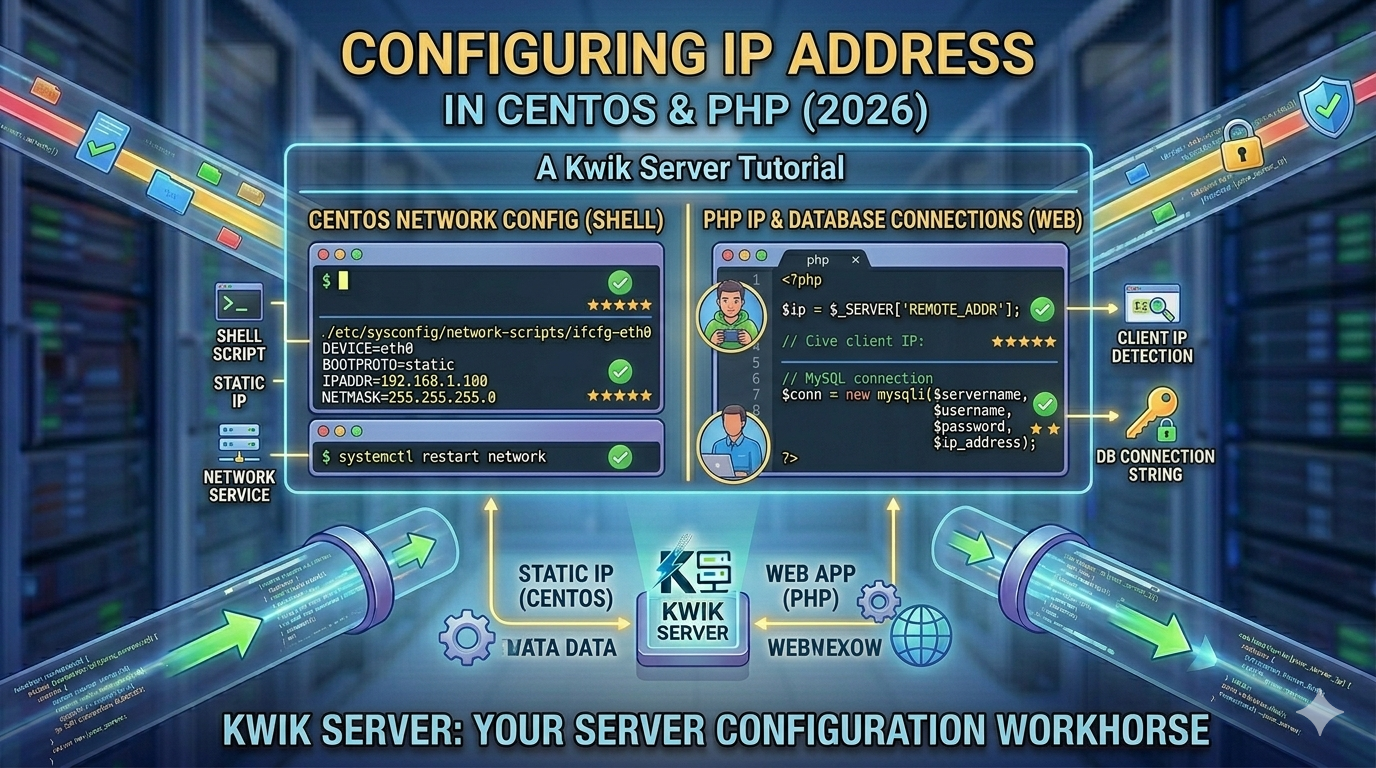
A static IP keeps a server reachable at the same address after every reboot. On a VPS the address is assigned to you, but CentOS still has to be told to use it — and how you do that changed between CentOS 7 and CentOS 8/9. This guide covers both, and how to recover if […]
Learn More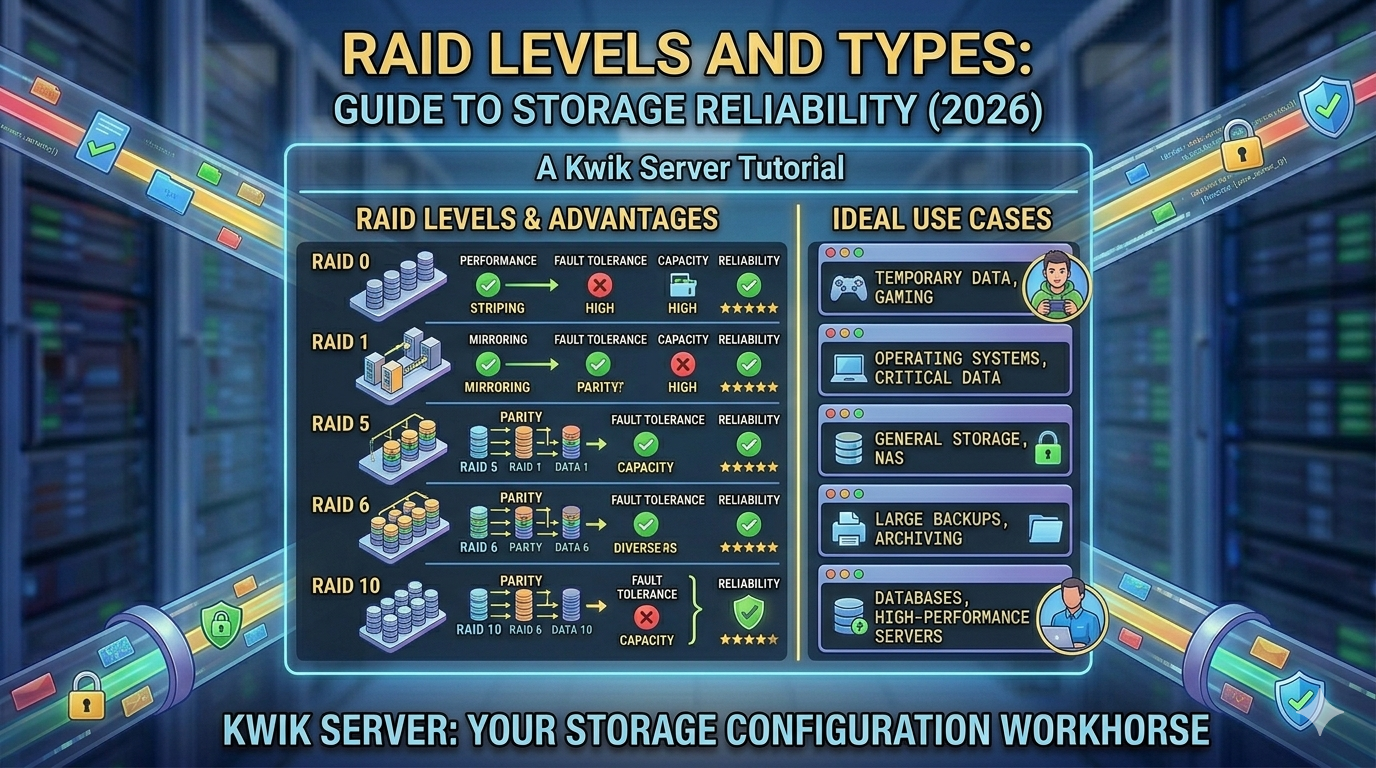
RAID can be simply defined as copying the original data to multiple hard disks which are kept in different places for safety measures. The abbreviation stands for either redundant array of independent disks or Redundant Array of Inexpensive Disks. RAID assures the protection of data from unwanted events like drive failure. RAID is a system […]
Learn More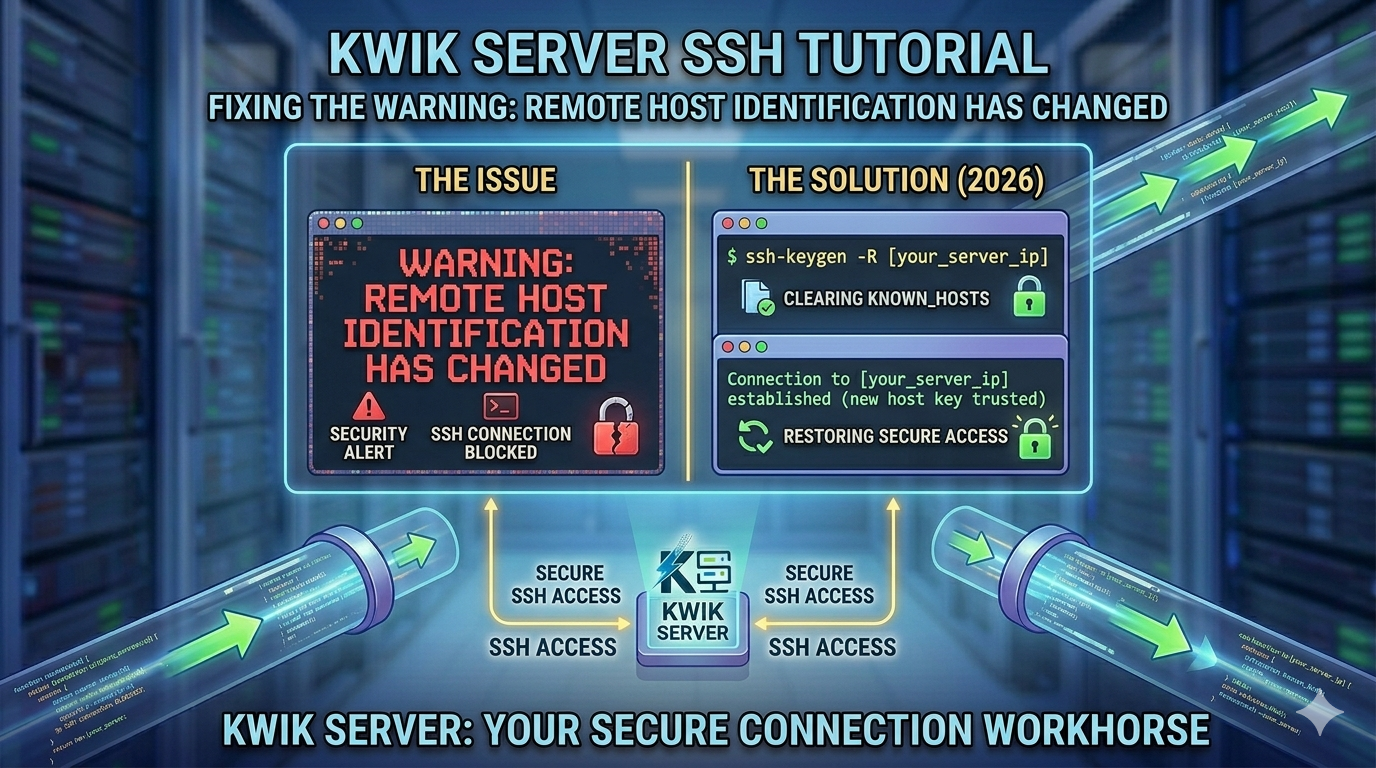
If you’ve ever tried to connect to a remote server via SSH and encountered the error message “Warning! Remote Host Identification Has Changed!”, you’re not alone. This error is a security feature designed to protect you from potential man-in-the-middle attacks, but it can be frustrating if you don’t know how to resolve it. In this article, […]
Learn More
Are your emails mysteriously landing in the spam folder instead of the inbox? This frustrating issue can hinder communication, damage your sender reputation, and reduce engagement rates. Whether you’re sending business emails, newsletters, or personal messages, understanding why this happens and how to fix it is crucial. In this blog, we’ll explore the common reasons […]
Learn More
VPS stands for “Virtual Private Server.” And this server is created with the help of a virtualization software. VPS works same as like physical server, but it is just a virtualized instance created within a server. Multiple numbers of virtual private servers can be hosted with just a single physical machine. And also across many […]
Learn More